
The Best Exercises for CPTSD and Why Moving Your Body is One of the Most Powerful Things You Can Do for Trauma Recovery

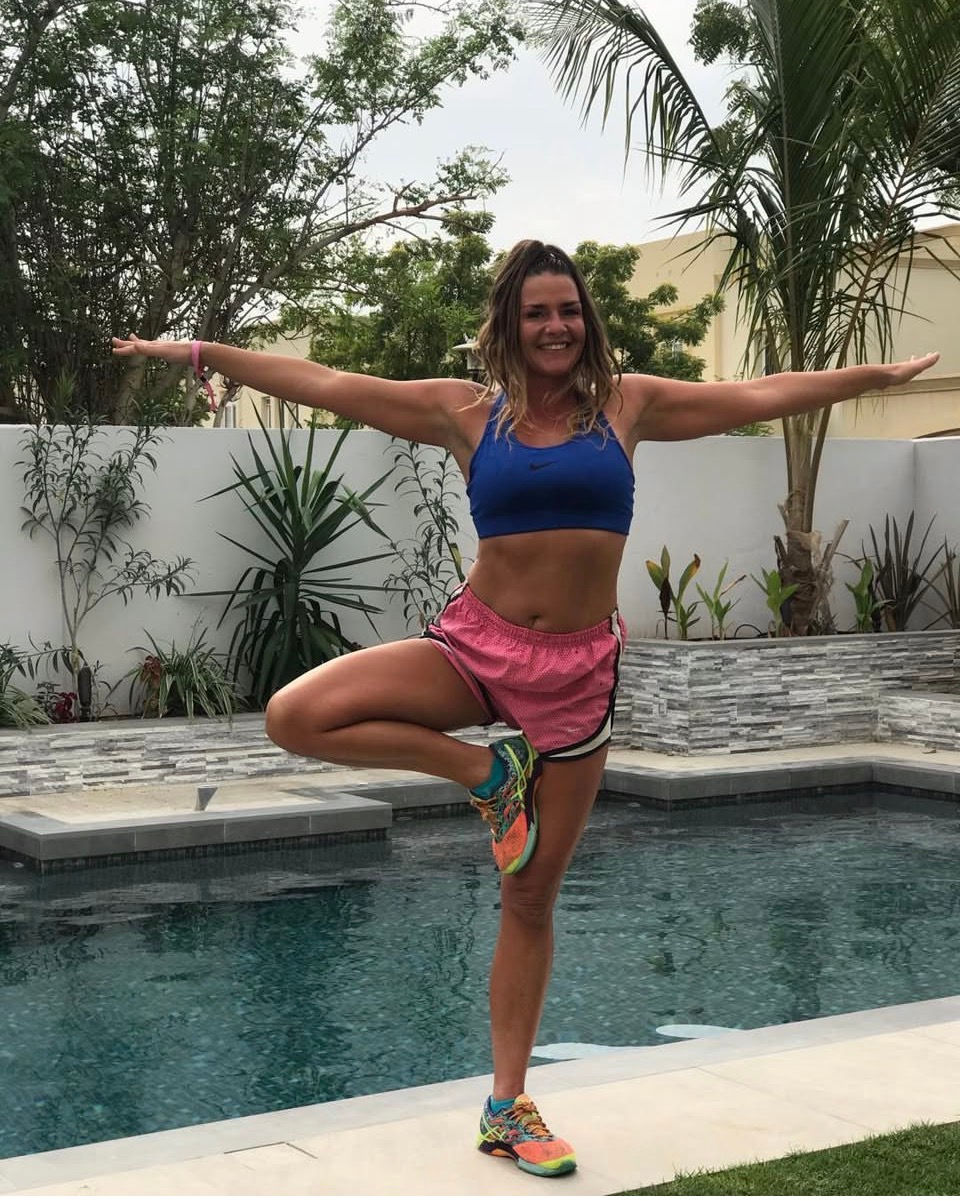
I want to start with something personal.
Exercise has been a long standing part of my own recovery before and during my CPTSD diagnosis in my early thirties.
Not the punishing kind. Not the push through it, earn your rest, prove something to yourself kind. I had pushed through in my 20's competing in Triathlons. HIIT workouts and long running sessions.
But the gentle, intentional, sometimes very slow kind that gradually, over time, helped my body remember what safety felt like.
There were days when a ten minute walk around the block was everything I had. Days when moving my body at all felt like an act of quiet defiance against everything the trauma had taken from me. And days when I danced around my kitchen at seven in the morning because it was the only thing that reached the parts of me that talking couldn't touch.
I'm not sharing this because I have it all figured out. I'm sharing it because I know from the inside what it feels like to live in a body that doesn't feel safe and I know from experience that movement, approached with gentleness and intention, can be one of the most quietly powerful things you do for yourself.
This blog comes from that place. Not just from my professional training but from lived experience of what actually helps, pushing through will lead to further burn out.
If you're living with Complex PTSD, someone has probably told you at some point to exercise more.
Maybe a GP. Maybe a well meaning friend. Maybe an article you found at 2am when you couldn't sleep and were desperately searching for something, anything that might help.
And maybe you tried. And maybe it helped a bit. Or maybe it felt completely impossible and you wondered what was wrong with you.
Here's what nobody tells you. Exercise for CPTSD is not one size fits all. The wrong kind of exercise at the wrong intensity at the wrong time can actually make things worse. But the right kind of movement approached with gentleness, intention, and an understanding of what trauma actually does to the body can be one of the most profoundly healing things you do for yourself.
Let me explain why. And then let's talk about what actually helps.
Why does exercise help with CPTSD in the first place?
CPTSD is not just a mental health condition. It lives in the body.
In the nervous system. In the muscles. In the gut. In the breath. In the way your shoulders tense before you've even consciously registered a threat. In the way your stomach drops when you hear a certain tone of voice. In the exhaustion that comes from a body that has been running in high alert mode for so long it has forgotten what calm feels like.
Bessel van der Kolk, one of the world's leading trauma researchers wrote an entire book called The Body Keeps the Score. The title says it all. The body doesn't forget. And healing the body requires working with the body not just the mind.
Exercise works for CPTSD through several important mechanisms:
It discharges the cortisol and adrenaline that build up during stress responses and get stuck in the body when the threat never fully resolves
It increases BDNF — brain derived neurotrophic factor — a protein that literally supports the brain's ability to heal and recover from trauma
Bilateral movement — left right left right — naturally supports trauma processing in a way that mirrors what happens in EMDR therapy
It builds interoception — the ability to feel and trust signals from your own body, which trauma frequently disrupts
Over time it builds a felt sense of safety in the body — teaching the nervous system that calm is possible and that you are safe
That is not a small thing. For many trauma survivors it is everything.
The golden rule before we go any further
Regulation before exertion. Always. Before any physical activity however gentle take two minutes to ground yourself. Feel your feet on the floor. Take three slow breaths. Notice where you are and that you are safe.
A dysregulated nervous system taken straight into intense exercise is not being helped. It is being pushed further into overwhelm.
Start regulated.
Move gently.
Build slowly.
That's the formula.
The best exercises for CPTSD
Walking especially in nature
Walking is one of the most evidence based interventions for trauma that exists. And it requires no gym membership, no equipment, and no performance.
The bilateral movement of walking left right left right naturally supports trauma processing. Walking in nature adds the additional benefit of reducing cortisol, lowering blood pressure, and activating the parasympathetic nervous system your body's built in calm response.
Walking backwards is particularly effective for nervous system reset it engages the brain differently, interrupts the stress response, and has been shown to reduce anxiety and improve mood.
Start with ten to twenty minutes and build gradually. No targets. No pace requirements. Just moving your body through space and noticing what that feels like.
Trauma informed yoga
Standard yoga can occasionally be triggering for trauma survivors particularly poses that feel vulnerable or instructors who use touch without consent. Trauma informed yoga is different. It prioritises choice, breath, and body connection over performance and achievement.
Yin yoga and restorative yoga are particularly gentle starting points, long held passive poses that release tension from the connective tissue and nervous system simultaneously. Yin Yoga is my favourite, be aware as the practice can bring to the surface emotional releases like tears.
Even ten minutes of gentle yoga at home, following a trauma informed video online can produce a measurable shift in how your nervous system feels.
Swimming
The combination of breath, bilateral movement, rhythmic repetition, and water makes swimming one of the most regulating forms of exercise available to trauma survivors.
Water itself provides a unique sensory experience that many people find deeply soothing. The predictability and rhythm of swimming laps or even just floating communicates safety to the nervous system in a way that other exercise doesn't quite replicate.
Tai Chi and Qigong
Slow, deliberate, mindful movement that combines breath with gentle physical activity. Evidence based for anxiety, depression, trauma, and nervous system dysregulation. Particularly good for people who find faster or more intense exercise overwhelming.
If you're not sure where to start, YouTube has excellent free Qigong for beginners videos. Even fifteen minutes a day produces measurable benefits over time.
Dancing — especially free movement
Not choreographed, not performed, not watched. Just you, music you love, and your body moving however it wants to.
Dancing reconnects with the body in a joyful rather than effortful way. It's bilateral. It's expressive. It discharges emotion that has no other outlet. And it can be done in your kitchen at seven in the morning in your pyjamas with absolutely nobody watching.
Five minutes of this can shift a nervous system that no amount of thinking has been able to touch.
Somatic stretching
Trauma is held in the body's connective tissue particularly in the jaw, neck, shoulders, hips, and the psoas muscle, a deep core muscle that runs from the spine to the thigh and is sometimes called the muscle of the soul because of how much stress and trauma it holds.
Slow, deliberate stretching of these areas with breath and full attention can release physical tension that has been stored for years. Be prepared for unexpected emotional responses during hip opening stretches in particular. This is completely normal and actually a sign the work is happening.
Exercises to approach with care
Some forms of exercise need to be introduced carefully or avoided until a stronger foundation of regulation has been established:
High intensity exercise — can spike the sympathetic nervous system into overdrive. Only introduce once baseline regulation has been established
Contact sports — unpredictable physical contact can trigger trauma responses
Competitive exercise — pressure and performance anxiety increase cortisol rather than reducing it
Exercise as punishment — pushing through pain, guilt driven exercise, over exercising to numb feelings. All retraumatising rather than healing
Dissociative exercise — doing anything on autopilot while disconnected from the body is not therapeutic. If you notice yourself dissociating, slow down, breathe, and feel your feet on the ground
A special note for those with fibromyalgia, hypermobility, or chronic fatigue alongside CPTSD
These conditions frequently co-occur with complex trauma and they require an even gentler approach to movement.
On high pain or high fatigue days gentle stretching, a short walk, or even just conscious breathing counts as movement. Your nervous system doesn't distinguish between a ten mile run and a ten minute mindful walk in terms of the safety signal it receives.
What matters is consistency not intensity. Showing up for your body gently and regularly is profoundly more healing than occasional bursts of pushing through.
The five things to remember
Start small and build slowly — ten minutes of gentle movement done consistently is worth more than an intense workout done once and then avoided for a week
Stay in your body throughout — notice physical sensations, breathe, and slow down if you feel yourself dissociating
Choose movement you actually enjoy — the trauma brain needs to feel safe and in control. Exercise you dread does not help
After exercise matters too — build in five minutes of slow breathing after movement to complete the regulation cycle
Movement is medicine not punishment — the goal is always the same. Does my nervous system feel safer after this than before?
This is why nervous system regulation is the foundation of everything I do
In my work as an ADHD/ trauma informed coach, IEMT practitioner, I see every single day what happens when someone begins to feel safe in their own body again.
The fog lifts. The decisions become clearer. The relationships improve. The sleep gets better. The future starts to feel possible again.
It doesn't happen overnight. But it happens.
And it always begins with the body.
If this post has resonated with you and you're ready to explore what trauma informed support could look like for you, I'd love to hear from you.
Your sessions may also be fully funded through the government's Access to Work scheme if you're employed or self employed.
No pressure.
No jargon.
Just a real human on the other end who genuinely gets it.
Because you've been carrying this for long enough.
Laura
Laura Horn | creatingchangeiemt.com | Author of Scattered Pages ADHD Reflections and Toolkit


Comments